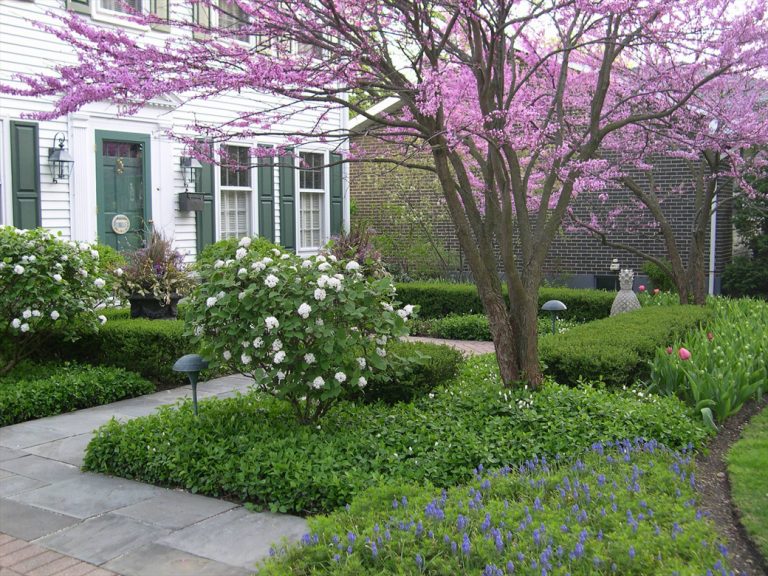

Hydrangeas are one of the most loved flowering shrubs, with their big, cloud-like blooms stealing the show from summer into fall. But pruning them at the wrong time can mean no flowers the following season. The key is knowing whether your hydrangea blooms on old wood or new wood—because timing makes all the difference.
Here’s a simple guide to pruning hydrangeas in our area.
Understanding Bloom Types
Hydrangeas fall into two main categories when it comes to pruning:
Old wood bloomers set their flower buds on last year’s stems. If you prune them in fall or winter, you’re cutting off next year’s flowers.
New wood bloomers form buds on fresh stems that grow in spring. Pruning encourages stronger growth and bigger blooms.

Panicle Hydrangea (Hydrangea paniculata) –
Common varieties: ‘Limelight,’ ‘Little Lime,’ ‘Tardiva,’ ‘Pee Gee,’ ‘Quick Fire,’ ‘White Diamonds,’ ‘Vanilla Strawberry’, Bobo
Bloom habit: New wood
When to prune: Late fall after dormancy or early spring before new growth begins. Lightly shape or cut back as needed.
Tip: These are the easiest hydrangeas to prune and very reliable bloomers.
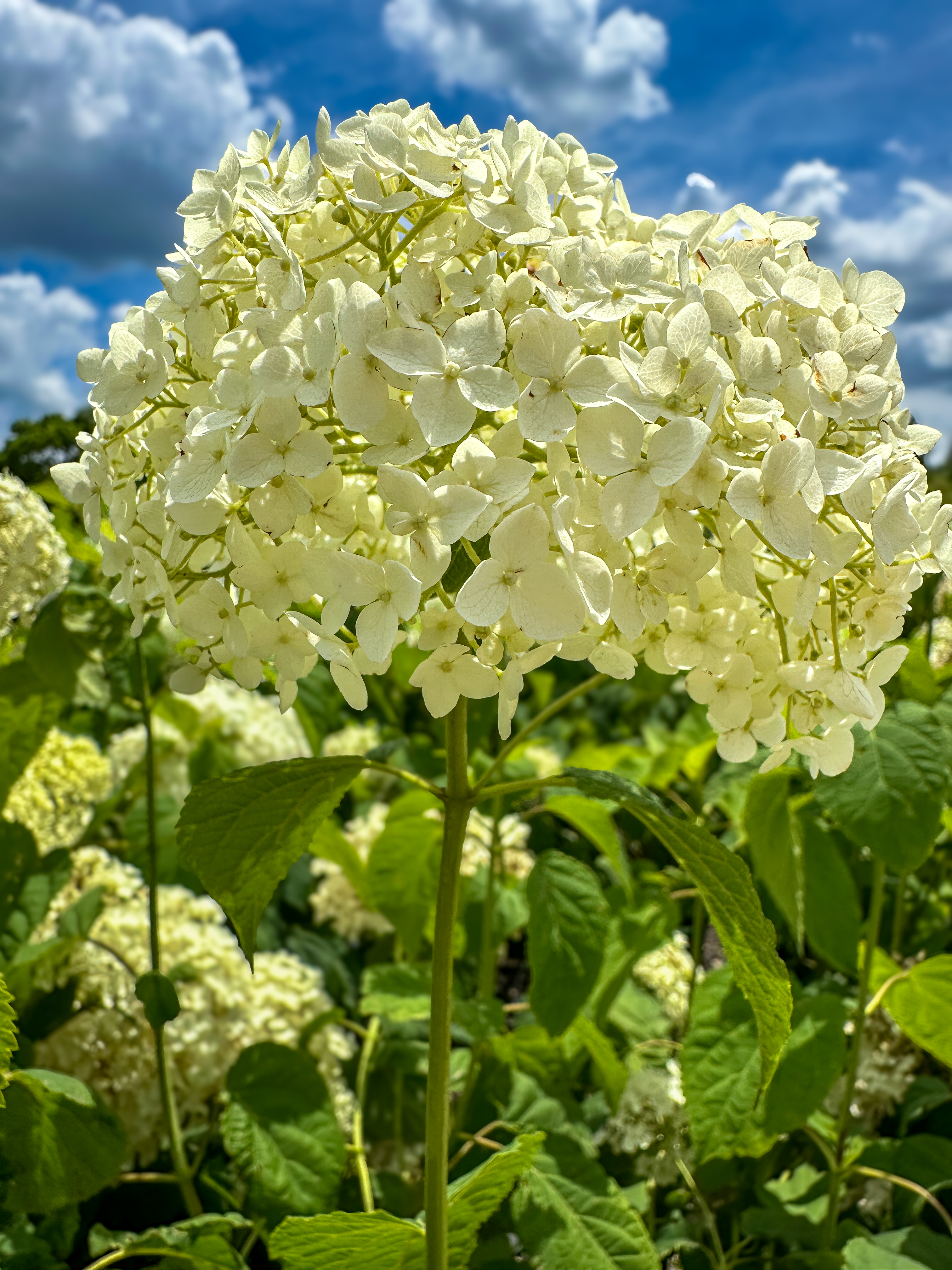
Smooth Hydrangea (Hydrangea arborescens)
Common varieties: ‘Annabelle,’ ‘Incrediball®,’ ‘Invincibelle Spirit®’
Bloom habit: New wood
When to prune: Late fall (after frost) through early spring, before growth begins. Cut back to about 6–12 inches above the ground.
Tip: Hard pruning gives you bigger flower heads, while lighter pruning keeps stems sturdier.
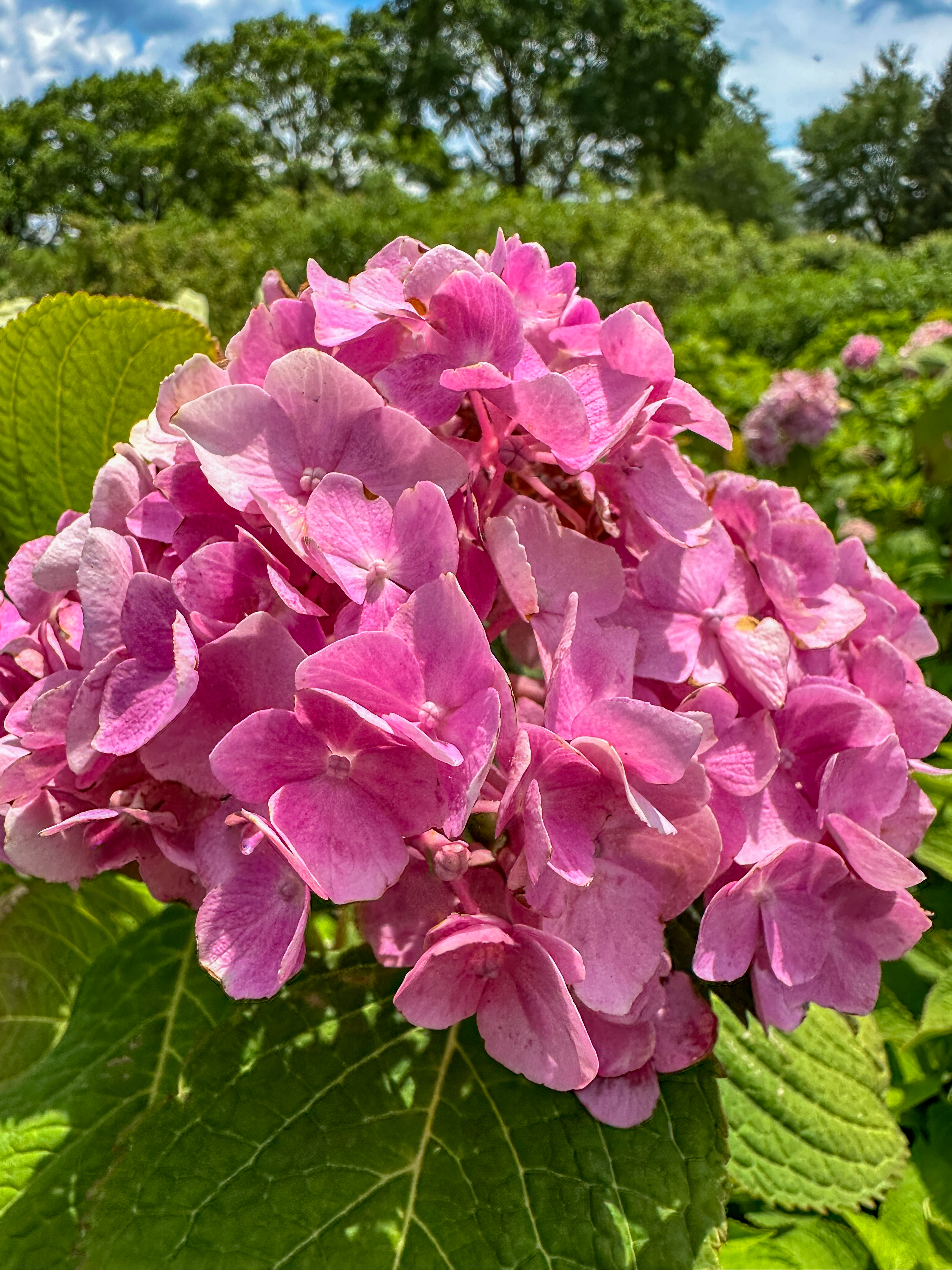
Bigleaf Hydrangea (Hydrangea macrophylla) –
Common varieties: Endless Summer®, Bloomstruck®, and Twist-n-Shout®, ‘Blushing Bride,’ ‘Let’s Dance’
Bloom habit: Mostly old wood, though some rebloom on both old and new wood.
When to prune: In early spring, after winter dieback is clear. Remove only dead or damaged stems. Avoid heavy pruning.
Tip: These set buds the year before. Fall pruning will cut off next year’s flowers. In Zone 5b/6a, harsh winters may damage buds — so blooms can be hit or miss.
 Oakleaf Hydrangea (Hydrangea quercifolia)
Common varieties: ‘Alice,’ ‘Snow Queen,’ ‘Ruby Slippers’
Bloom habit: Old wood (sometimes considered “old and new”)
When to prune: In spring, only to remove dead stems or to lightly shape. Avoid heavy pruning.
Tip: Because buds are formed the previous season, fall pruning will reduce or eliminate next year’s flowers.
 Climbing Hydrangea (Hydrangea anomala subsp. petiolaris) –
Bloom habit: Old wood
When to prune: Rarely needed. Only prune to remove dead wood or to guide the vine in a certain direction.
Tip: Because they bloom on old wood, avoid heavy cutting — or you’ll remove next year’s flowers.
Quick Takeaway
Prune in late fall (after frost) or early spring: Panicle & Smooth Hydrangeas (new wood)
Prune only in spring for cleanup: Bigleaf, Oakleaf & Climbing Hydrangeas (old wood)
Bloom timing:
New wood bloomers flower later in summer, since they must grow stems and buds in the same season.
Old wood bloomers flower earlier, since the buds were set the year before.
The trick to hydrangeas is simple: know your type, and time your cuts. With the right pruning approach, you’ll keep your hydrangeas blooming year after year.
Not sure which variety you have? Stop by Hinsdale Nurseries — our team can help you identify your hydrangea and give you personalized pruning advice.
Call us at 630-323-1411